About this product
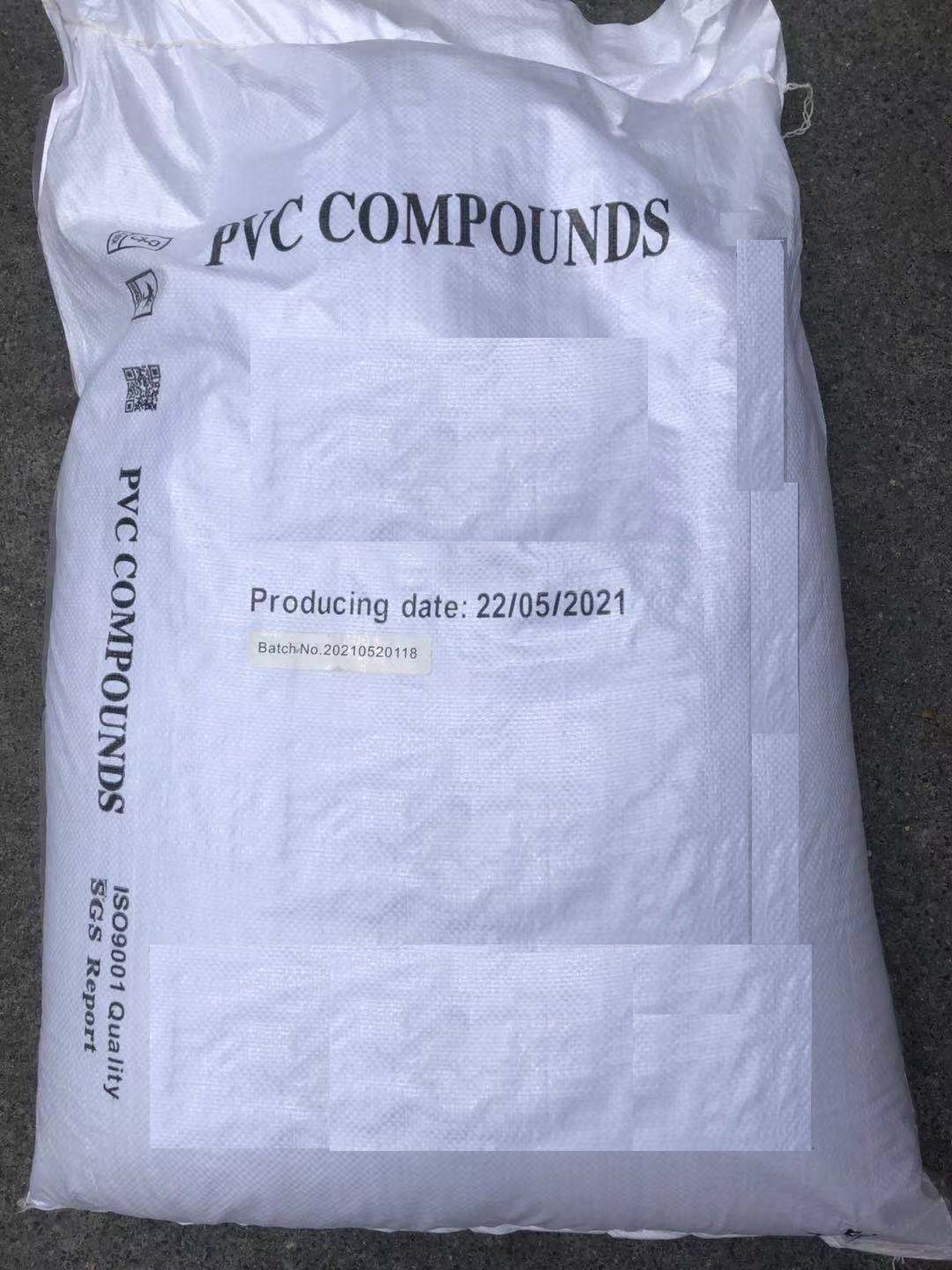
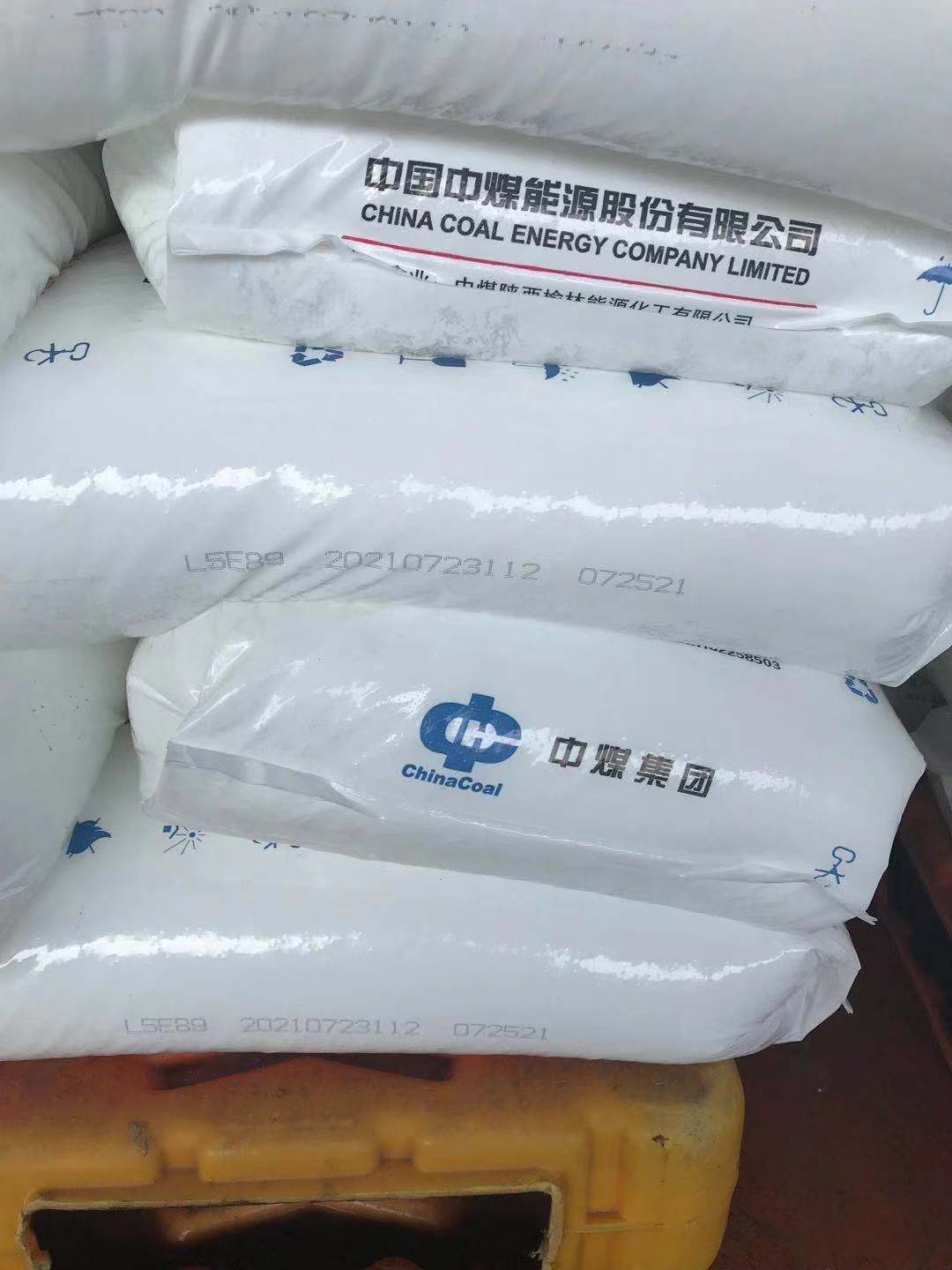
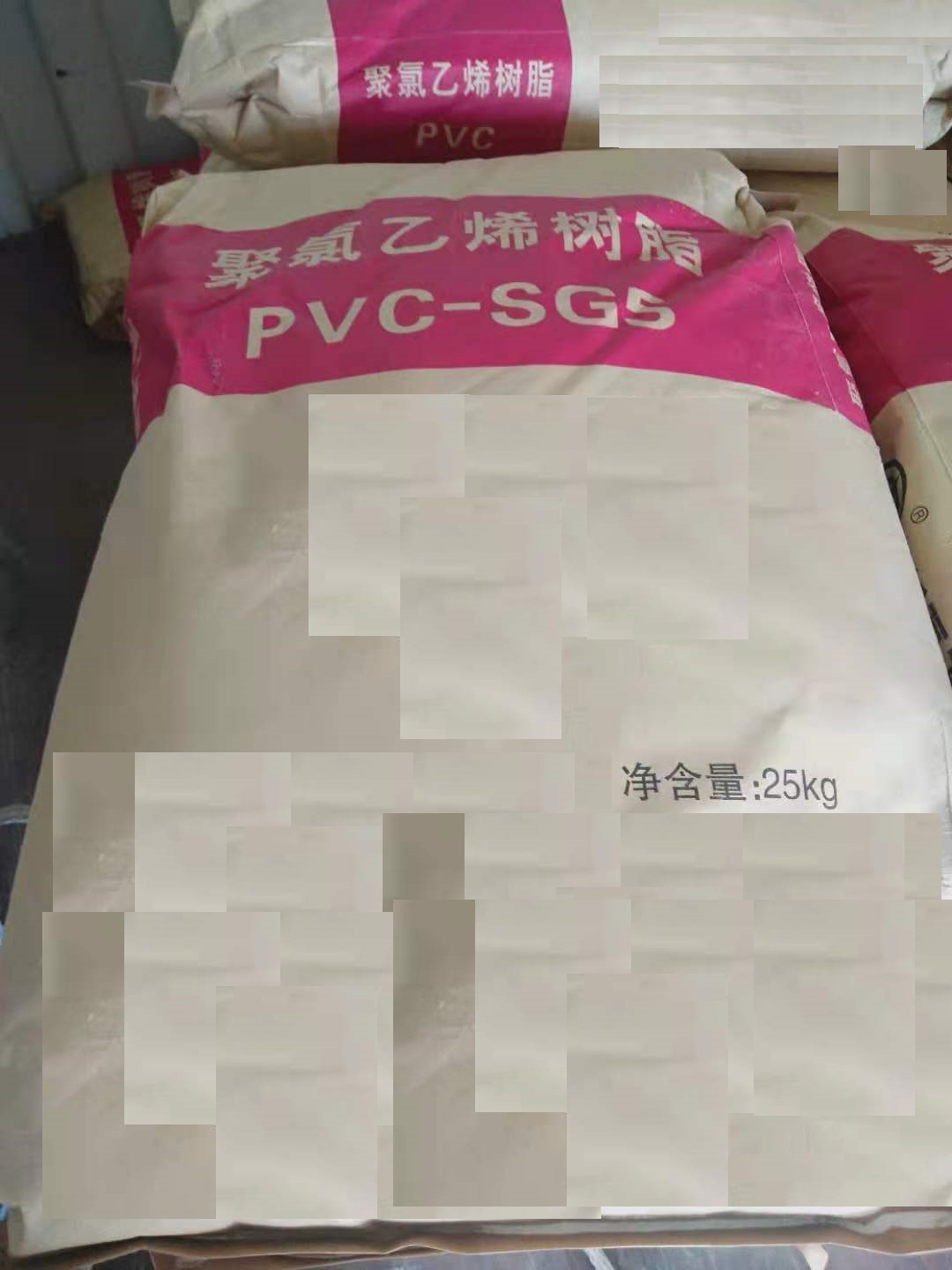
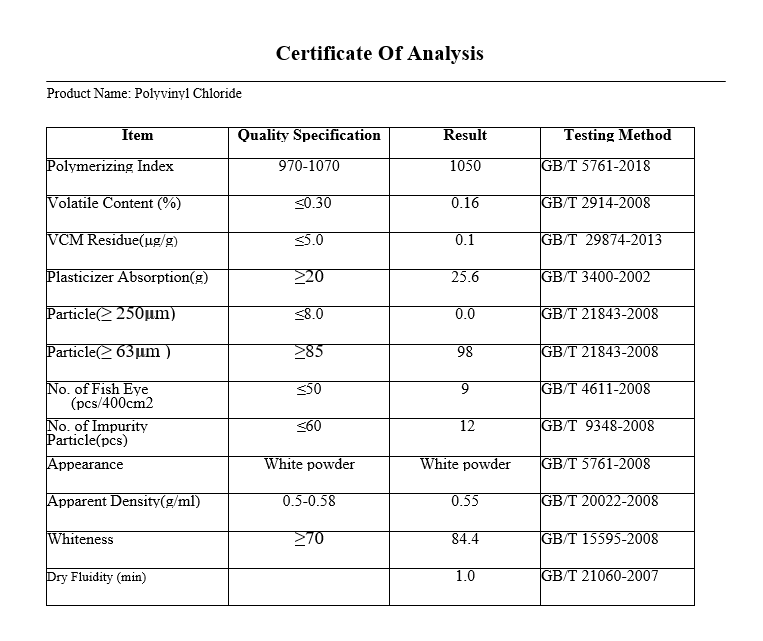
Polyvinyl Chloride (PVC) is a highly versatile synthetic plastic polymer, serving as a fundamental raw material across numerous industrial sectors. Its primary function lies in its exceptional adaptability, allowing it to be formulated into rigid or flexible forms to meet diverse application requirements. Key features include excellent chemical resistance, durability, and electrical insulation properties, making it suitable for demanding environments. While specific technical specifications and performance characteristics can vary based on grade and formulation, PVC generally exhibits good tensile strength and impact resistance. It is typically manufactured through polymerization of vinyl chloride monomer, with production processes ensuring consistent quality. PVC can be supplied in various forms, including powders, granules, and liquid dispersions, offering flexibility in processing. Construction quality is generally high, with a smooth, consistent finish achievable. While a standard size range isn't applicable to the raw material itself, the end products manufactured from PVC come in an extensive array of dimensions. Typical applications span construction (pipes, window profiles, flooring), automotive (interior components, wiring insulation), healthcare (medical tubing, blood bags), and consumer goods (packaging, footwear). Target buyers include chemical manufacturers, compounders, plastic processors, wholesalers, and end-use industries seeking a reliable and cost-effective polymer. PVC is a widely recognized and utilized material, often produced to meet international quality standards for chemical products. Its global availability, established supply chains, and cost-effectiveness make it an ideal choice for international trade buyers seeking a dependable and widely applicable new material.