About this product
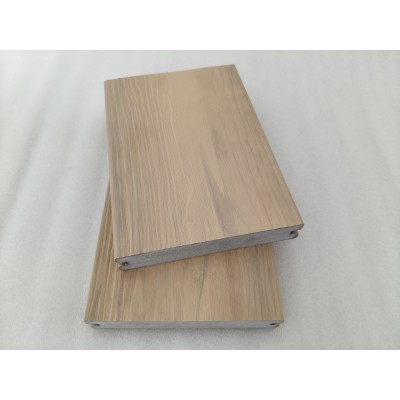
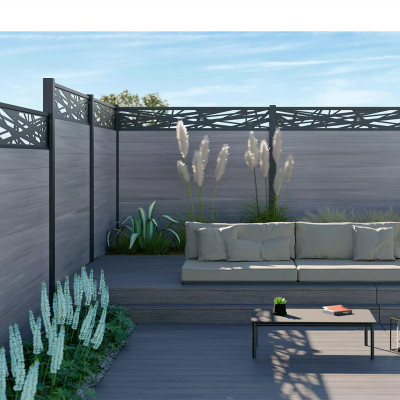
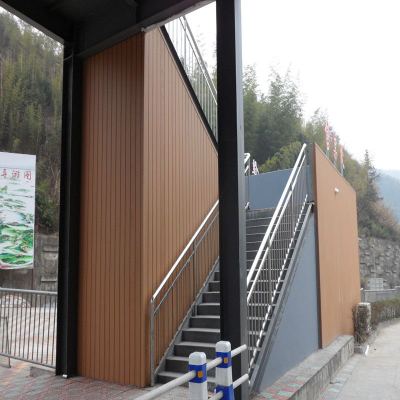
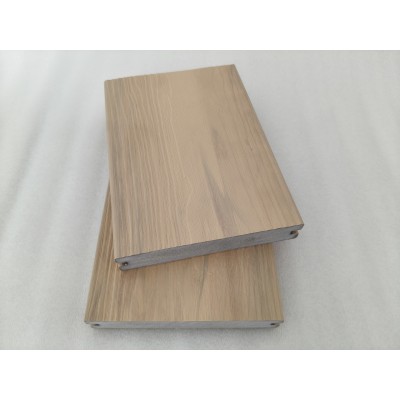
This comprehensive guide delves into the comparative advantages of PVC decking versus composite decking, offering valuable insights for B2B trade buyers seeking high-quality outdoor surfacing solutions. The primary function of both product types is to provide a durable, low-maintenance alternative to traditional wood decking for a wide range of applications. Key features often include resistance to fading, staining, scratching, and insect damage, with composite decking frequently incorporating recycled materials for enhanced sustainability. Performance characteristics typically encompass excellent weatherability, with both options designed to withstand UV exposure and moisture. Materials for PVC decking are primarily virgin or recycled PVC, while composite decking is typically a blend of wood fibers and plastic polymers. Construction quality is paramount, with manufacturers focusing on robust extrusion processes and consistent material density to ensure longevity. Finish options can range from realistic wood grain textures to smooth, modern aesthetics, available in a broad spectrum of colors. While specific size ranges and variant options will vary by manufacturer, both PVC and composite decking are generally available in standard plank dimensions suitable for residential and commercial projects. Typical applications include patios, balconies, pool decks, marinas, and public spaces, making them ideal for the construction, landscaping, and hospitality industries. Target buyers include importers, wholesalers, and large-scale retailers looking to expand their product portfolios with premium outdoor building materials. While specific certifications are not detailed here, buyers should inquire about relevant industry standards for performance and safety. The availability of these versatile decking solutions from Chinese manufacturers makes them highly suitable for international trade buyers seeking competitive pricing and diverse product offerings.